

Your questions about Gen Z workers answered
-
What are Gen Z workers like?
-
What is the working attitude of Gen Z?
-
How to manage Gen Z workers?
-
Why should companies hire Gen Z workers?
Let’s face it — there’s a big disconnect between younger workers and employers these days.
How bad can this gap be, you ask?
Well, a recent study by Becoming You Labs , an academic research organisation in New York, asked 2,100 hiring managers to understand what they looked for in candidates. They also reached out to Gen Z employees to learn about their professional priorities.
Sharpen your hiring strategy. Get top candidates on MyCareersFuture.
And here’s what hiring managers prioritised in what they wanted in candidates and workers:
- Achievement (30%)
- Learning (22.8%)
- Hard work (22.4%)
What are Gen Z workers like
However, only 2% of the Gen Z employees surveyed ranked all three of these values among their top priorities. Instead, they preferred:
- Well-being and self-care
- Authenticity and expression
- Helping people
Even though this survey was done overseas, these sentiments aren’t too far off touch from Singaporean’s Gen Z’s and younger workers.
In a recent survey conducted by CNA’s Money Mind among youth aged 21 to 28, 53% of Singaporean respondents in viewed flexible work arrangements as their top priority when it came to choosing an employer.
These findings suggest that Gen Z workers approach their careers with a more holistic perspective than previous generations. Rather than compartmentalising work and personal life, they seek roles that allow them to bring their whole selves to the workplace whilst maintaining healthy boundaries.
In Singapore’s competitive job market, this translates to Gen Z candidates actively seeking employers who demonstrate genuine care for employee mental health, provide opportunities for creative expression, and offer meaningful work that contributes to society.
What is the working attitude of Gen Z
“Gen Zs in general just want to feel like their boundaries are respected and their work is being valued,” fresh graduate Charlotte Ang said to CNA.
“That’s why I think to a lot of Gen Z, a work-from-office mandatory arrangement might not make sense because you feel very controlled. It seems to convey a lack of trust.”
This sentiment reflects a broader generational shift in workplace expectations, where flexibility has become synonymous with respect and autonomy. For many Gen Z workers, the ability to work remotely isn’t just about convenience—it’s a tangible demonstration that employers trust their judgement and recognise their capacity for self-management.
When companies insist on rigid office attendance without clear justification, it can signal a management philosophy rooted in surveillance rather than results, potentially alienating a generation that values transparency and mutual respect in professional relationships.
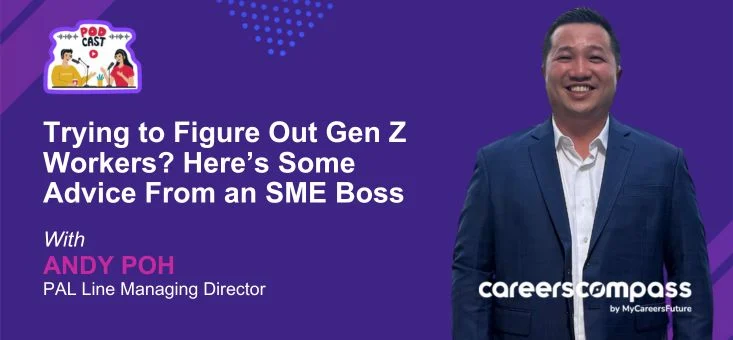
In this podcast, we speak with Andy Poh, managing director at PAL Line, a global shipping and logistics company in Singapore.
He spoke at a recent Workforce Singapore Employers Connect event on managing the needs of Singapore’s Gen Z employees.
In this podcast, he shares with us more tips to help both local employers and younger employees bridge their differences. Learn more here!
Key highlights to listen to
- (2:50) Understanding the psyche of Gen Z workers
- (3:49) “If the company isn’t loyal to me, why should I be loyal to them?”
- (4:21) Why Gen Z workers are different, and how to manage them to success
- (6:53) What these younger workers can bring to the table, and why it’s your loss not to use them
As a business leader, you play a key role in shaping the future workforce. Follow us on LinkedIn for insights into building a resilient workforce, internal mobility, and the latest workforce trends.
Follow Workforce Singapore on LinkedIn
Stay ahead of the curve with expert advice on hiring, retention, and workforce development.